
PATIENT GUIDE · TIJUANA, MEXICO
Pre-Surgery Patient Guide
Important Instructions Before Your Procedure
Before your scheduled dental procedure, it is important to follow the preparation instructions provided by Dr. Borboa Dental Implant Center. These recommendations are intended to help make your treatment as safe and organized as possible.
If You Have Chosen IV or Inhalation Sedation
If your procedure includes intravenous sedation or nitrous oxide, follow the fasting instructions provided for your surgery. In many cases, patients are instructed not to eat or drink, including water, for at least 8 hours before the scheduled procedure.
Essential daily medications should only be taken according to the instructions provided by the treating team, usually with only enough water to swallow them.
Important Information About IV Sedation
If you receive IV sedation, you should not drive after the procedure. Arrange safe transportation and follow the transportation instructions provided by the clinic.
Medical Conditions Before Surgery
If you develop severe nasal congestion, persistent cough, fever or signs of a respiratory infection before your appointment, contact the clinic as soon as possible.
Depending on your symptoms and treatment plan, your procedure may need to be rescheduled until your health has improved.
If Your Procedure Uses Local Anesthesia Only
When local anesthesia is used without sedation, preparation may be different. You may be allowed to eat a light meal before the appointment and may not require accompaniment.
Follow the specific instructions given for your procedure.
Preoperative Information and Recommendations
Read your surgical instructions carefully before treatment and contact the clinic if you have questions that have not been answered.
Understanding the Procedure
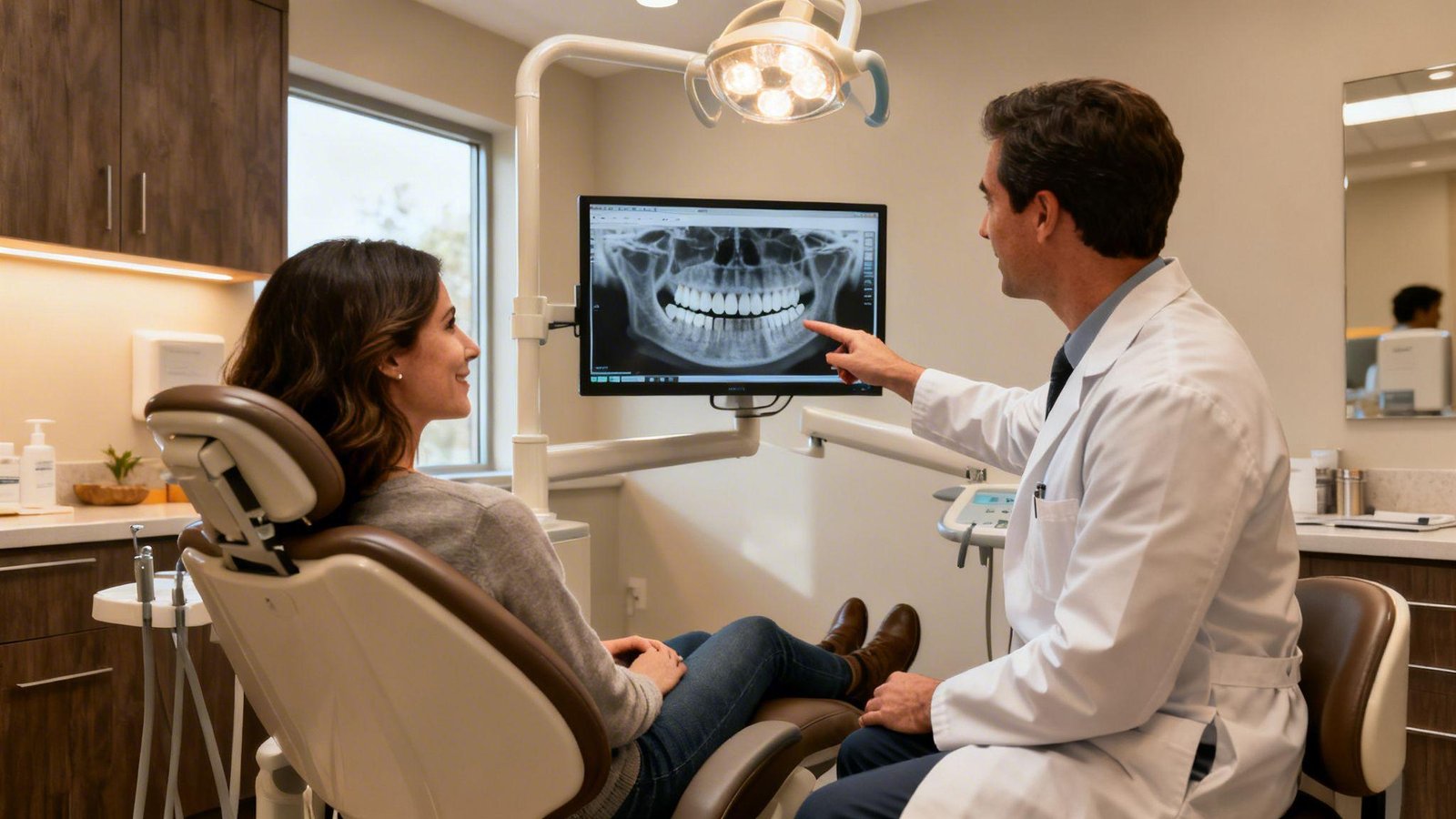
During your consultation, your treatment options and planned surgical procedure should be reviewed with you.
If you still have questions or would like clarification about other possible treatment options, discuss them with the team before signing your surgical consent form.
About Intravenous Sedation
When IV sedation is used, medication is administered through a vein in the arm. The goal is to help you remain relaxed and comfortable during treatment while local anesthesia is used in the surgical area.
Some patients remember little of the procedure. After surgery, discomfort and swelling can occur and may vary from patient to patient.
Pain and Swelling Management
Follow the medication instructions provided after surgery. Pain medication may be prescribed depending on your procedure and individual needs.
Swelling is also common after oral surgery and generally improves as healing progresses. Contact the clinic if pain, swelling or other symptoms become worse instead of improving.
Postoperative Care and Possible Complications
Good nutrition and careful oral hygiene are important during recovery. Food debris, bacteria and irritation can interfere with healing at an extraction or surgical site.
Smoking can increase the risk of healing complications, including dry socket after certain extractions. Follow the postoperative instructions provided by the clinic and remain available for recommended follow-up appointments.
Warning Signs
Contact the clinic if you experience increasing pain, worsening swelling, fever or another symptom that concerns you after surgery.
Other postoperative effects may include jaw stiffness, bruising, mild bleeding or irritation around the treated area.
Details About Your Treatment
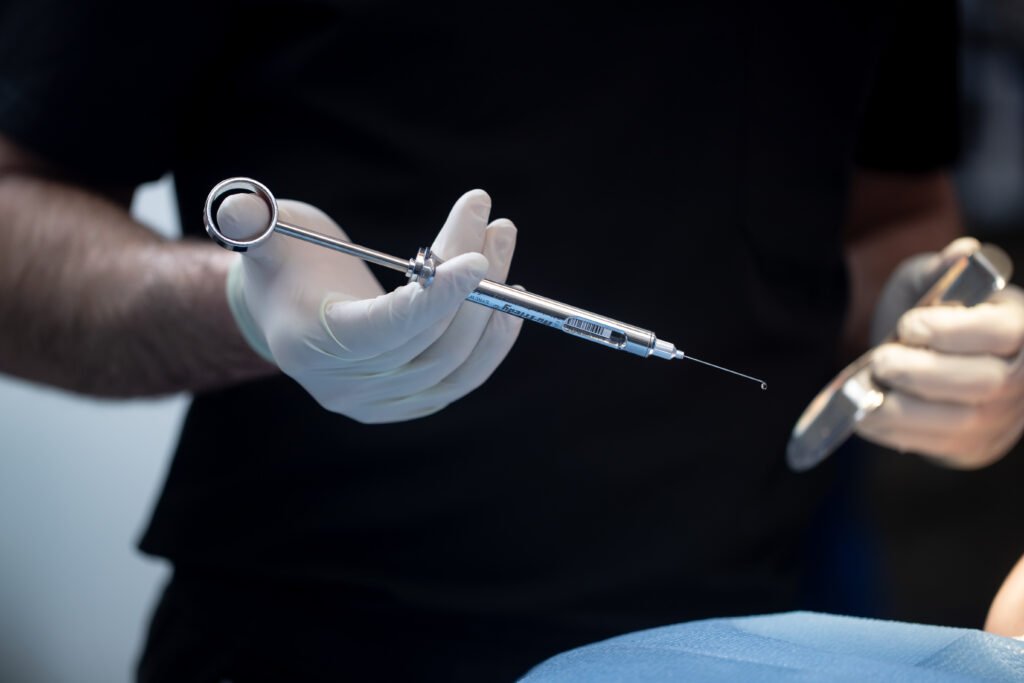
Your treatment plan should explain the procedure being performed and the available alternatives. If anything remains unclear, ask your dental team before proceeding with surgery.
Recovery and Pain Control
It is normal to experience some discomfort after surgery. Take prescribed or recommended medications only as directed by your treating team.
If complications such as infection or fluid accumulation develop, additional treatment may be required.
Caring for the Treated Area
Follow the clinic's instructions regarding diet, oral hygiene and care of the surgical area. Avoid habits that may interfere with healing and attend follow-up appointments as recommended.
Monitoring Symptoms
Pay attention to changes during recovery. Fever, increasing pain or swelling should be reported to the clinic.
Final Recommendations
You will receive postoperative instructions explaining the main steps to follow after surgery. Review them carefully and contact the clinic if you have questions.
The goal is to make your surgical experience and recovery as safe, comfortable and efficient as possible.
Contact the Clinic