
PERIODONTAL CARE · TIJUANA, MEXICO
Periodontal Disease Treatment
Gum Disease
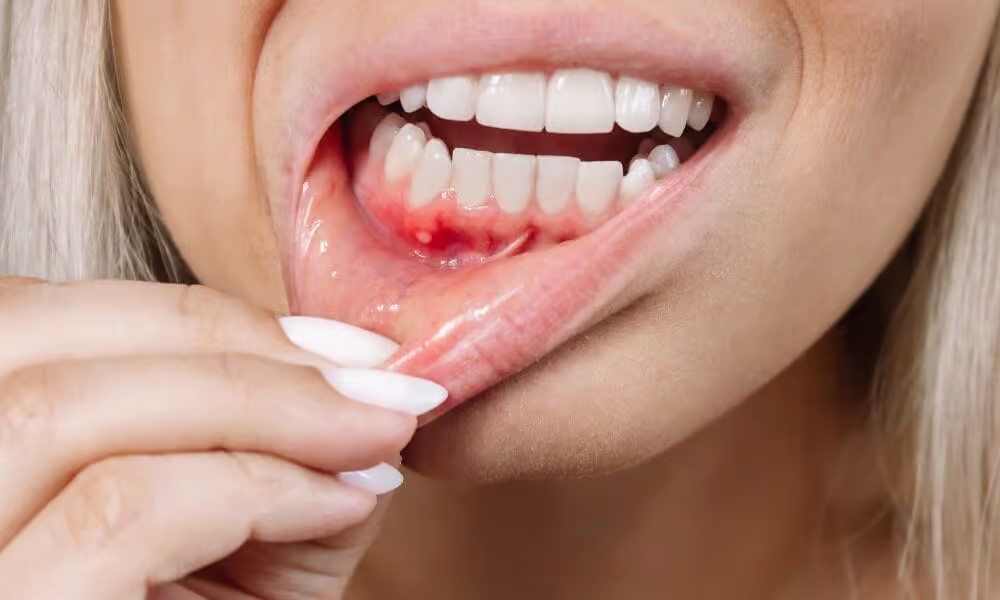
Periodontal disease is a chronic inflammatory condition that affects the gums and bone that support the teeth.
It can progress beyond gum irritation and may eventually contribute to tooth mobility, bone loss and tooth loss when left untreated.
How Periodontal Disease Begins
Periodontal disease commonly begins with plaque accumulation around the teeth.
If plaque is not removed through brushing, flossing and professional cleanings, it can harden into tartar and create an environment where bacteria continue to irritate the gums.
The earliest stage is gingivitis. If the condition progresses, it may develop into periodontitis.
During periodontitis:
- The gums may begin to pull away from the teeth
- Periodontal pockets may develop
- Supporting bone may begin to deteriorate
- Teeth may become loose or shift
Signs You May Have Periodontal Disease
- Bleeding gums during brushing or flossing
- Chronic bad breath
- Swollen, tender or receding gums
- Loose or shifting teeth
- Changes in your bite
- Pus between the gums and teeth
Why It Often Goes Undetected
Periodontal disease can develop with little or no pain during its early and moderate stages.
A periodontal examination, dental imaging and measurement of the spaces around the teeth can help identify disease that may not otherwise be obvious.
When Full-Mouth Restoration May Be Considered
Advanced periodontal disease can cause significant loss of supporting bone and gum tissue around multiple teeth.
When teeth can no longer be predictably maintained, comprehensive treatment may include:
- Extraction of severely damaged or mobile teeth
- Treatment of active infection
- Bone grafting when clinically indicated
- Placement of dental implants when appropriate
- Fixed bridges or full-arch restorations
- Restoration of function and facial support
Periodontal Treatments
In earlier stages, treatment may focus on removing plaque and tartar from above and below the gum line.
Scaling and root planing can be used to clean the root surfaces and remove deposits beneath the gums. Local anesthesia may be used during the procedure.
Bone Grafting
When diagnostic imaging shows significant bone loss, bone-grafting procedures may be considered to rebuild areas that have lost supporting structure.
Bone grafting may help create additional support for remaining teeth or future restorative treatment such as dental implants, fixed bridges or full-arch rehabilitation.
Different grafting materials and regenerative techniques may be selected depending on the individual clinical situation.
Clinical Management of Progressive Periodontal Disease
In active periodontitis, periodontal pockets may develop as plaque, bacteria and calculus accumulate below the gum line.
Scaling and root planing may be used to remove deposits from the root surfaces and reduce bacterial accumulation.
Depending on the clinical evaluation, treatment may also include localized antimicrobial therapy, therapeutic rinses or other medications.
Surgical Periodontal Treatment
When deep periodontal pockets do not respond sufficiently to non-surgical treatment, periodontal surgery may be considered.
The procedure can provide direct access to the tooth roots and supporting bone so the affected area can be thoroughly cleaned.
What Can the Procedure Involve?
- Removal of hardened tartar from root surfaces
- Cleaning and disinfection of the affected area
- Removal of inflamed or damaged tissue
- Evaluation of the underlying bone
- Bone grafting when clinically indicated
Potential Benefits
- Helps control progression of periodontal disease
- Can reduce periodontal pocket depth
- May help preserve natural teeth
- Can prepare the mouth for future restorative treatment
Soft Tissue Grafts
In cases of significant gum recession, soft tissue grafting may be used to rebuild areas where tooth roots have become exposed.
Tissue may be taken from another area of the mouth and placed around the affected teeth to improve periodontal support and restore the natural gum line.
Periodontal Care at Dr. Borboa Dental Implant Center
Treatment at Dr. Borboa Dental Implant Center is planned according to the severity of periodontal disease, bone condition, remaining teeth and future restorative needs.
Schedule Your Consultation