
DENTAL CROWNS · TIJUANA, MEXICO
Restore Strength, Function and Natural Appearance
Dental crowns are custom fixed restorations designed to protect damaged or weakened teeth, restore function and improve the appearance of your smile.
WHAT IS A DENTAL CROWN?
A Custom Restoration Designed Around Your Tooth
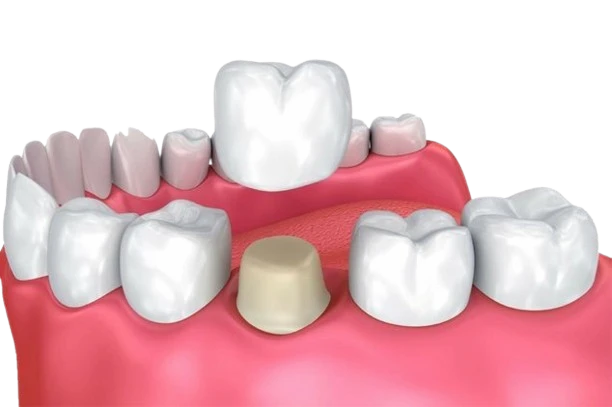
A dental crown is a tooth-shaped restoration placed over a natural tooth or dental implant.
It can protect the underlying structure, restore function and improve the appearance of a tooth that has been significantly damaged or restored.
Crown planning should consider tooth position, available structure, bite forces, surrounding teeth and aesthetic goals.
Make your Appointment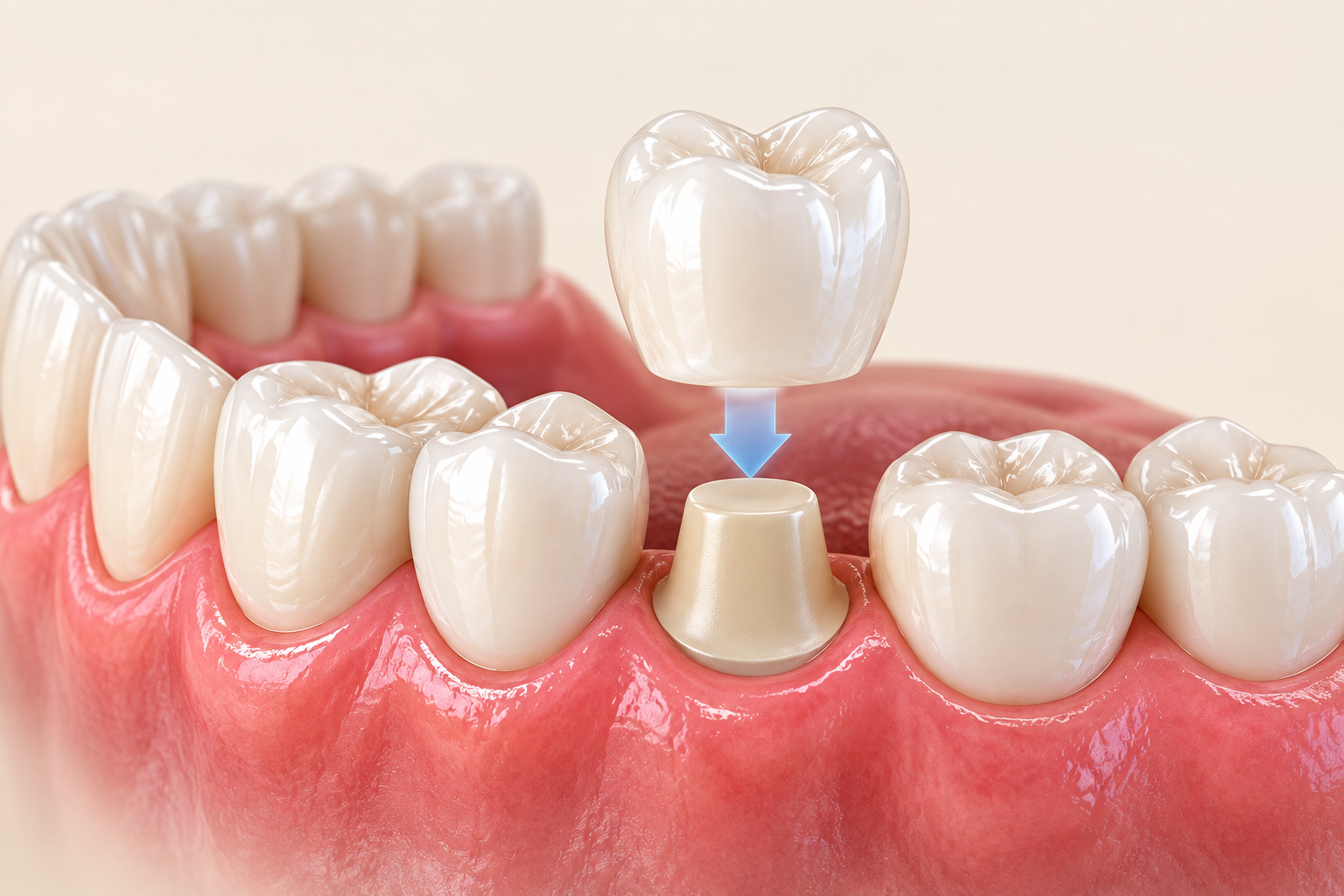
DENTAL CROWN RESTORATION
See How Dental Crowns Help Restore a Smile
Crown treatment is designed to combine structural protection, function and natural appearance.
BENEFITS OF A DENTAL CROWN
Protect, Restore and Rebuild
Protect Weakened Teeth
A crown can help reinforce a tooth that has lost significant natural structure.
Restore Broken Teeth
Fractured or severely worn teeth may be rebuilt with a custom restoration.
Improve Appearance
Crowns can help restore tooth shape, color and proportions in selected cases.
Cover Large Restorations
Teeth with extensive existing fillings may require additional structural protection.
Restore Dental Implants
A crown can serve as the visible tooth component of an implant restoration.
Support Dental Bridges
Crowns may be incorporated into bridge treatment when replacing missing teeth.
DENTAL CROWN CANDIDACY
Who May Need a Dental Crown?
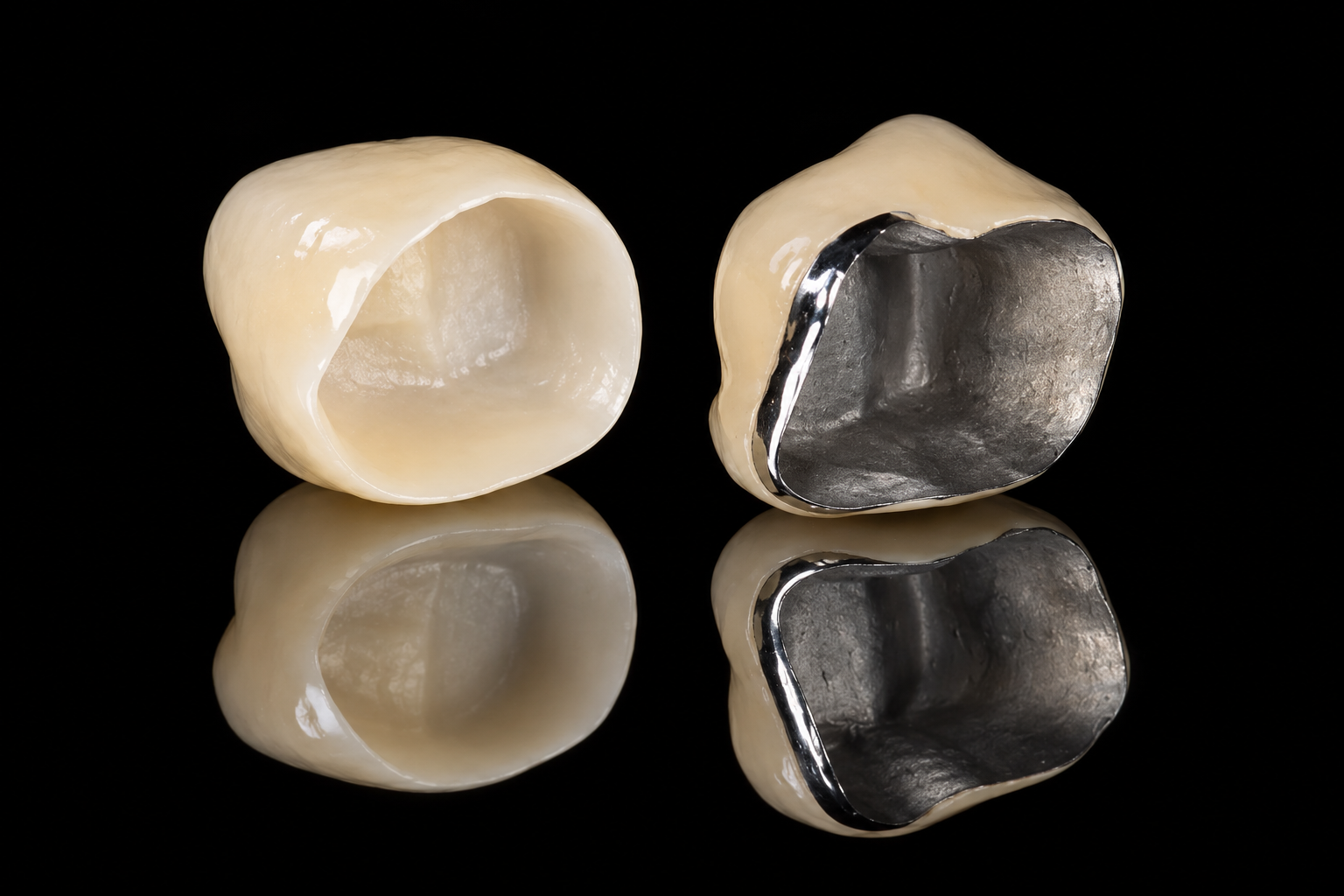
A crown may be considered when a tooth needs structural protection, functional restoration or significant restorative reconstruction.
- Cracked, fractured or worn-down tooth
- Tooth requiring restoration after root canal treatment
- Large filling with limited natural tooth remaining
- Discolored or misshapen tooth in a restorative case
- Dental implant requiring its final visible restoration
- Dental bridge treatment
THE CROWN PROCESS
What Is the Procedure Like?
The exact restorative workflow depends on your tooth, material and clinical situation.
Tooth Preparation
The tooth is prepared according to the restorative plan while preserving appropriate supporting structure.
Digital Scan or Impression
A precise digital or conventional record is created for the crown design.
Temporary Crown
When required, a temporary restoration protects the prepared tooth while the final crown is completed.
Crown Fabrication
The final restoration is designed according to tooth shape, shade, bite and restorative requirements.
Final Placement
Fit, contacts and bite are evaluated before the definitive crown is secured.
CROWN MATERIALS
Selecting the Right Material for Your Restoration
Modern ceramic materials can provide a combination of strength, function and natural appearance.
The appropriate material depends on tooth location, available restorative space, bite forces, opposing teeth and aesthetic goals.
Zirconia
A high-strength ceramic option frequently considered for restorative dentistry.
Ceramic Options
Other ceramic materials may be considered depending on aesthetic and functional requirements.
Individual Selection
Material should be selected according to the demands of the specific tooth and case.
LONG-TERM CARE
How Long Do Dental Crowns Last?
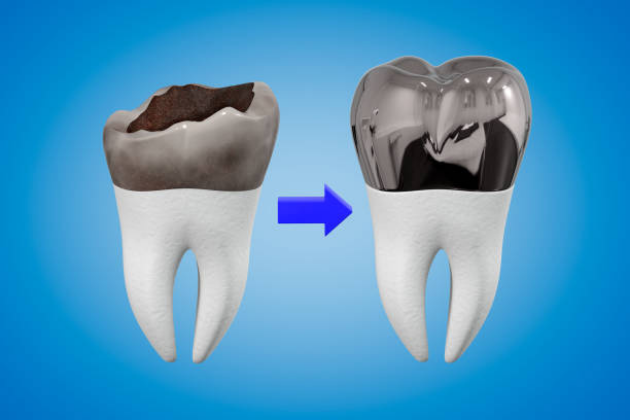
Dental crowns can provide long-term service, but their longevity varies according to the tooth, restorative material, bite forces and maintenance.
DENTAL CROWNS IN TIJUANA
Restorative Treatment for International Patients
BORBOA Dental Implant Center welcomes patients traveling to Tijuana for restorative and implant dentistry.
Case Review
Share recent dental images or scans when available before scheduling travel.
Personalized Planning
Your treatment plan is confirmed after clinical evaluation and diagnostic review.
Treatment Scheduling
The number of visits depends on the type of crown and restorative workflow required.
QUESTIONS PATIENTS ASK
Dental Crowns: What You Need to Know
01How long can a dental crown last?
+
How long can a dental crown last?
Dental crown longevity depends on material, bite forces, oral hygiene, maintenance and the condition of the supporting tooth or implant. Regular dental follow-up is important.
02Can a crown be placed on a dental implant?
+
Can a crown be placed on a dental implant?
Yes. A dental crown can restore a dental implant using an implant-supported restorative design selected according to the individual case.
03What materials can be used for dental crowns?
+
What materials can be used for dental crowns?
Different ceramic materials may be considered depending on tooth location, available space, bite forces and aesthetic goals. Zirconia is one commonly used restorative option.
04Do I need a crown after a root canal?
+
Do I need a crown after a root canal?
Some teeth may benefit from a crown after root canal treatment when significant tooth structure has been lost or additional protection is indicated. The recommendation depends on the individual tooth.
05Can crowns improve the appearance of my smile?
+
Can crowns improve the appearance of my smile?
Crowns can help restore tooth shape, proportions and color in selected restorative cases. Treatment planning should consider both function and appearance.
06How many visits are required for a dental crown?
+
How many visits are required for a dental crown?
The number of visits depends on the restorative workflow, material and clinical situation. Some cases require preparation and a later final placement, while selected digital workflows may be completed differently.
BEGIN YOUR SMILE RESTORATION
Restore Your Tooth With a Personalized Crown Plan
Whether you need to repair a damaged tooth or complete a dental implant restoration, the first step is understanding the condition of the tooth and your restorative options.