
DENTAL BRIDGES · TIJUANA, MEXICO
Restore Missing Teeth With a Fixed Dental Bridge
A dental bridge is a fixed prosthetic restoration designed to replace one or more missing teeth and restore chewing function, continuity and smile aesthetics.
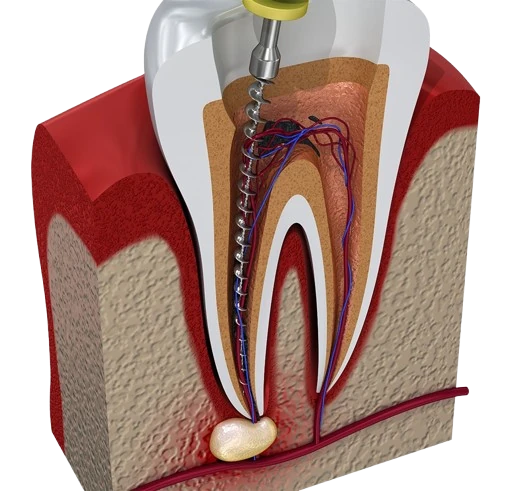
WHAT IS A DENTAL BRIDGE?
A Fixed Solution for One or More Missing Teeth
A dental bridge is used to close the space created by tooth loss with a connected restoration.
The bridge may be supported by natural teeth or dental implants positioned around the missing-tooth area.
Unlike a removable partial denture, a fixed bridge remains secured in place and is not removed by the patient.
Make your Appointment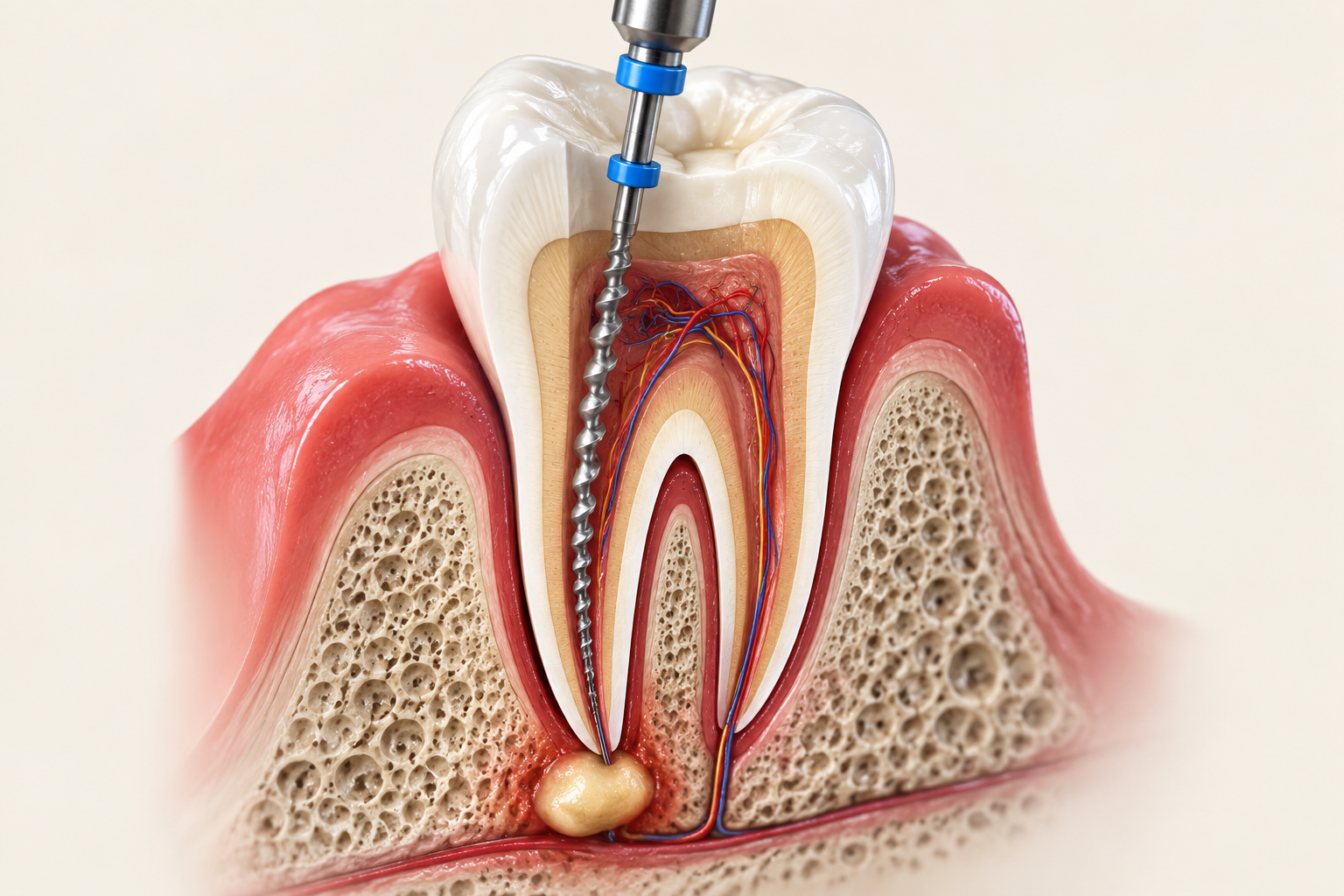
FIXED TOOTH REPLACEMENT
Understanding Dental Bridge Treatment
Bridge treatment is planned around the missing teeth, supporting structures, bite and restorative goals.
COMMON INDICATIONS
When May a Dental Bridge Be Considered?
Missing Teeth
Replacement of one or several consecutive missing teeth.
Chewing Function
Restores continuity in the dental arch to support everyday function.
Speech Support
Replacing missing teeth may help restore normal pronunciation and oral function.
Tooth Position
Closing a missing-tooth space can help reduce unwanted movement of neighboring teeth.
Smile Appearance
A bridge can restore visible tooth form and improve continuity of the smile.
Implant Restoration
Dental implants may support a bridge when several adjacent teeth are missing.
BRIDGE OPTIONS
Types of Dental Bridges
Different bridge designs may be considered depending on the location of the missing teeth, supporting structures and restorative goals.
Traditional Bridge
Uses crowns placed on supporting natural teeth around the missing-tooth space.
Cantilever Bridge
Supported from one side in selected situations where the restorative design permits it.
Maryland Bridge
Uses a bonded framework attached to the back surfaces of supporting teeth in selected cases.
Implant-Supported Bridge
Uses dental implants as support instead of relying only on natural teeth.
Explore Implant Options →BRIDGE ANATOMY
Main Components of a Dental Bridge
Abutments
Natural teeth or dental implants that provide structural support for the bridge.
Pontics
Artificial teeth that occupy the space created by tooth loss and are connected to the supporting restoration.
Connectors
Structural areas joining the replacement teeth to the supporting crowns or framework.
Framework
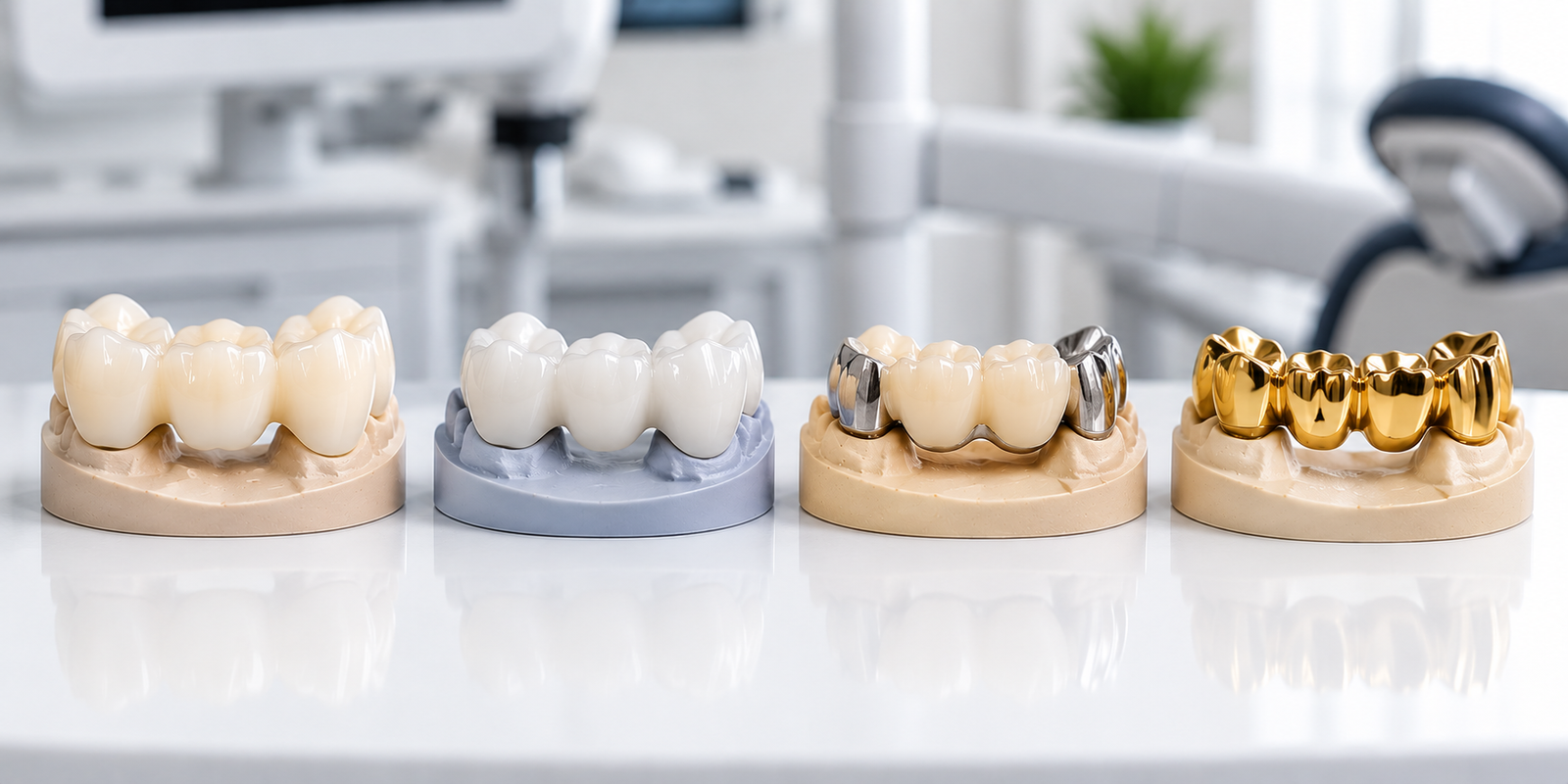
The supporting restorative structure may be fabricated from ceramic, zirconia, metal or combinations depending on the case.
RESTORATIVE MATERIALS
Materials Selected Around Function and Appearance
Material selection depends on bridge location, restorative space, bite forces, supporting teeth or implants and aesthetic requirements.
Porcelain & Ceramic
Ceramic materials may provide natural tooth-like appearance in suitable restorative situations.
Zirconia
A high-strength ceramic option used in many restorative and implant-supported applications.
Porcelain-Fused-to-Metal
Combines a metal framework with a porcelain exterior.
Metal Alloys
May be considered where durability and functional demands are prioritized.
LONG-TERM PLANNING
What Helps a Dental Bridge Last?
Long-term bridge success depends on the health of the supporting structures, restorative design, hygiene and bite management.
IMPLANT-SUPPORTED BRIDGES
Dental Implants Can Support Multiple Replacement Teeth
When several adjacent teeth are missing, dental implants may sometimes support a multi-unit bridge without requiring one implant for every missing tooth.
Strategic Implant Placement
Implant positions are planned according to anatomy, restorative requirements and bone availability.
Fixed Restoration
The bridge is secured to the supporting dental implants and is not removed by the patient.
Hygiene Planning
Bridge contours should allow practical cleaning around the implants and restoration.
QUESTIONS PATIENTS ASK
Dental Bridges: Your Questions Explained
01What is a dental bridge?
+
What is a dental bridge?
A dental bridge is a fixed restoration used to replace one or more missing teeth. It is supported by natural teeth, dental implants, or a combination selected according to the individual treatment plan.
02Can dental implants support a bridge?
+
Can dental implants support a bridge?
Yes. Implant-supported bridges may be used when several adjacent teeth are missing and implant support is clinically appropriate.
03Is a dental bridge removable?
+
Is a dental bridge removable?
No. A fixed dental bridge is not removed by the patient. It is secured to supporting teeth or dental implants.
04How do I clean under a dental bridge?
+
How do I clean under a dental bridge?
Special floss, interdental brushes, water flossers or other hygiene aids may be recommended depending on the bridge design.
05How long can a dental bridge last?
+
How long can a dental bridge last?
Longevity depends on the health of supporting teeth or implants, oral hygiene, bite forces, restorative materials and regular maintenance.
06What materials can be used for a dental bridge?
+
What materials can be used for a dental bridge?
Depending on the case, bridges may be made with ceramic, zirconia, porcelain-fused-to-metal or other restorative materials.
LET'S RESTORE YOUR SMILE
Find the Right Fixed Tooth Replacement Option
Start with a personalized evaluation to determine whether a traditional or implant-supported dental bridge may be appropriate for your situation.